
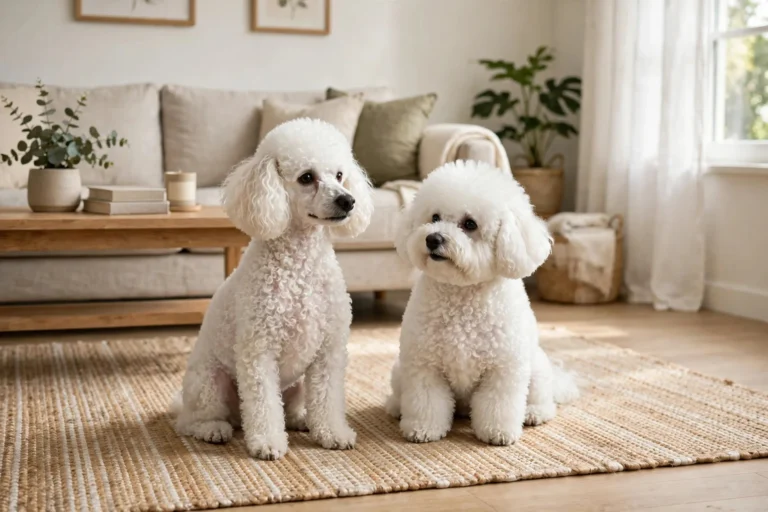
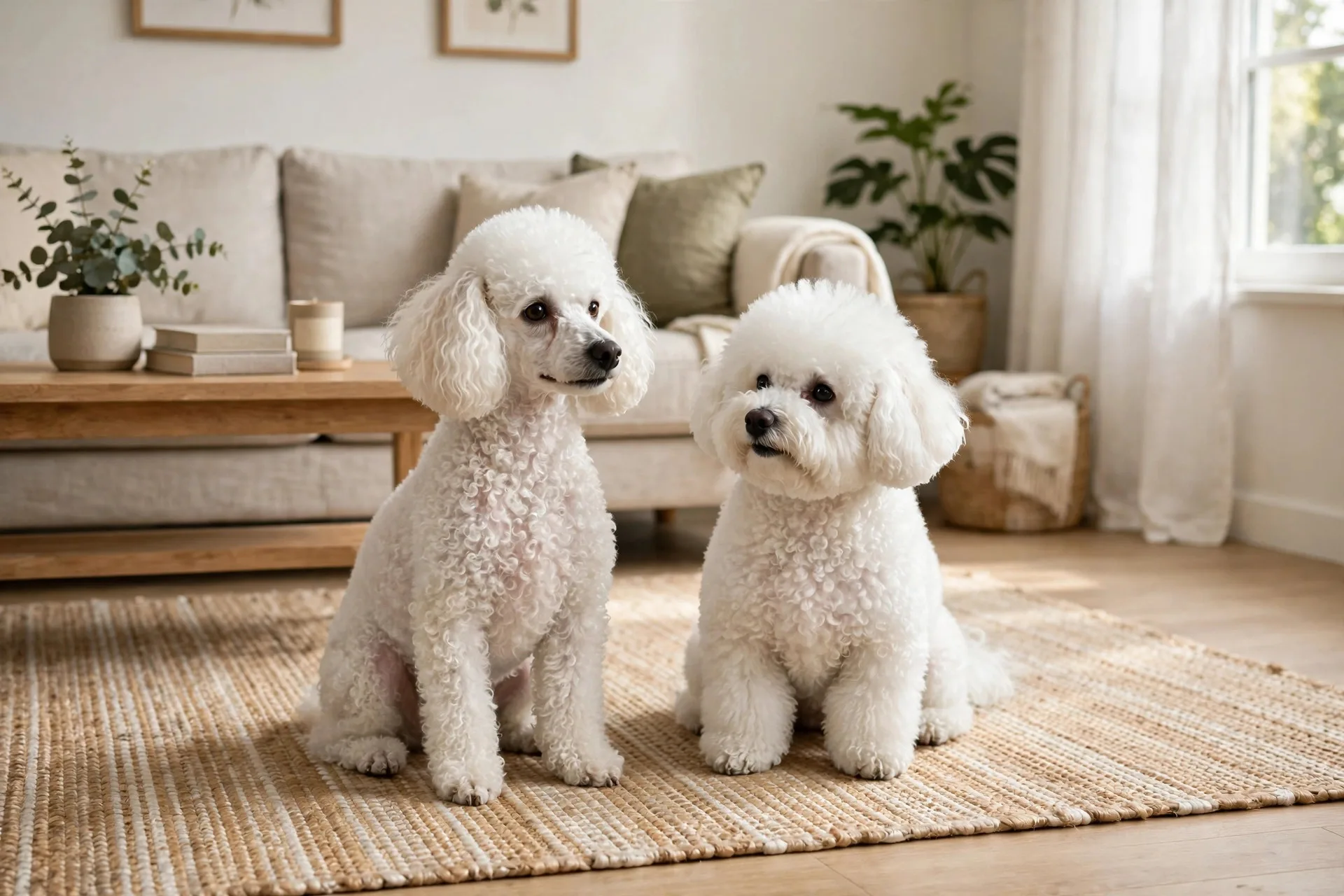
Dogs that barely shed do exist, and the nine breeds below earn that label for a clear reason. Their coats hold loose hair instead of dropping it all over the floor. They shed far less than a Labrador or a German Shepherd. The catch is simple. Less hair on the rug usually means more work with a brush and a groomer.
Low shedding is a trade, not a free lunch
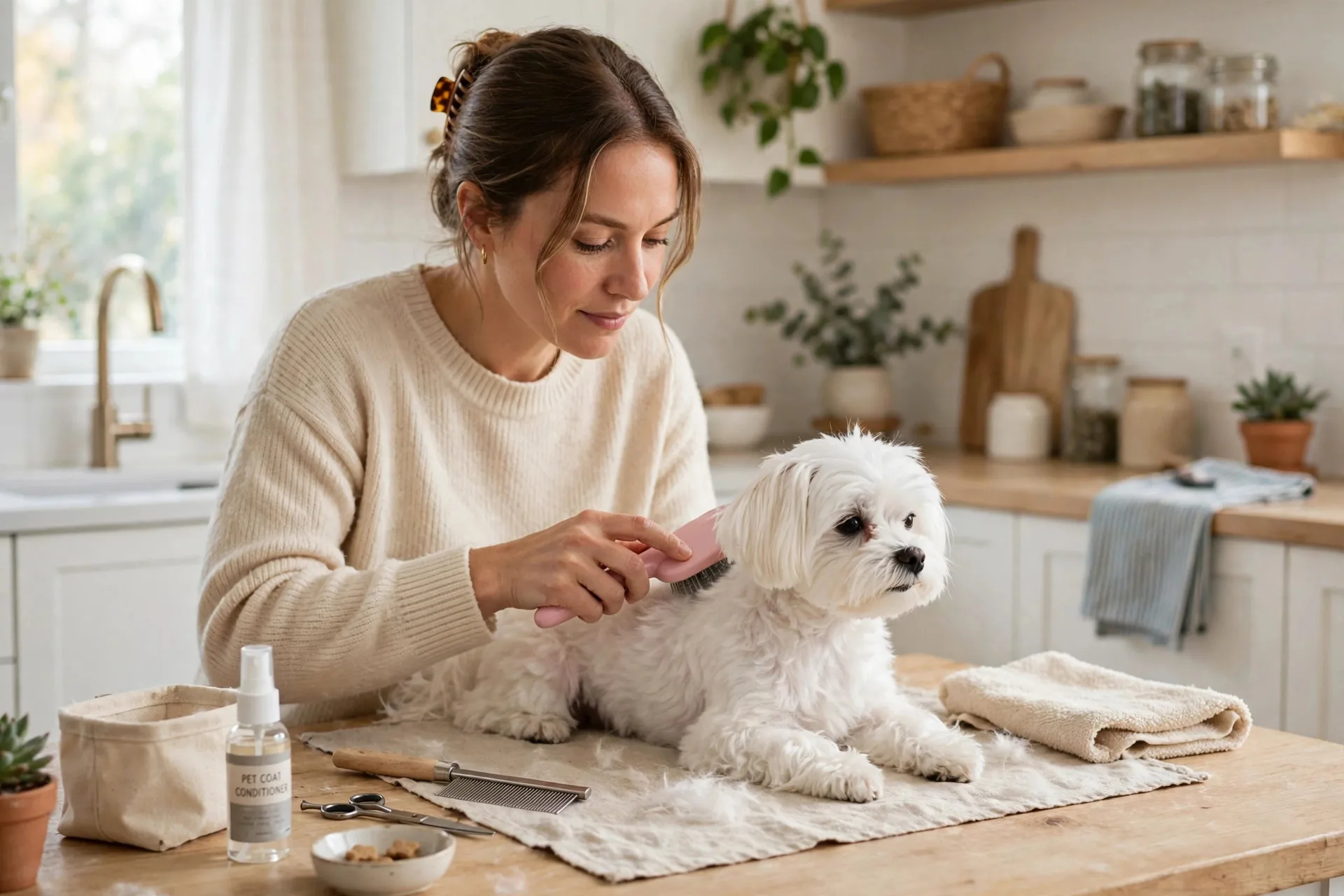
Shedding is a normal part of the hair growth cycle, and every dog does it to some degree. That is the flat statement from Wisdom Panel, which notes that no breed stops shedding entirely. Some coats grow to a set length and fall out. Other coats keep growing until someone cuts them, much like human hair. Those long growing coats drop less hair on the floor, but the loose hair stays trapped in the coat. Left alone, it mats and pulls at the skin, so brushing becomes a real job rather than a quick chore.
The allergy claim needs the same plain treatment. Pet allergies come from proteins in saliva, dander, and urine, not from hair itself. Cleveland Clinic explains that the American Kennel Club says no dog is 100 percent hypoallergenic. A 2012 study measured allergen levels in the hair and homes of dogs labeled hypoallergenic and other dogs. The supposedly hypoallergenic dogs had higher allergen levels in their hair and coat samples, and home levels were about the same in both groups. Spend time with the individual dog before you commit, especially if anyone in the house has allergies.
Grooming is where the trade shows up in your calendar and your wallet. Many low shedding breeds need brushing several times a week and a professional groom every four to eight weeks, according to Wisdom Panel. A short pet clip cuts the brushing time a lot.
1. Poodle, the smart one in three sizes
Poodles come as Toy, Miniature, and Standard, and that range is the first reason they top so many low shedding lists. Toy Poodles weigh as little as a few pounds, while Standard Poodles can reach 75 pounds, according to Adopt a Pet. The dense curly coat sheds at a low rate and traps loose hair instead of letting it fall. A Poodle coat needs regular brushing and clipping, or it mats into felt. Wisdom Panel puts it bluntly: curly coats left ungroomed can turn into a dreadlocked coat.
Energy and brains track with size. A Toy Poodle can do fine with a few walks a day. A Standard Poodle wants longer walks, hikes, and games that use its brain.
2. Bichon Frise, the cheerful cloud with a combing habit
A Bichon Frise looks like a cotton ball and acts like a small comedian. The soft curly coat sheds very little, and shed hair tends to stay caught in the undercoat. That sounds tidy until you skip brushing for a week. Then the coat mats, and the groomer has to work through it. Most owners keep a Bichon in a short clip and brush between grooms.
Bichons weigh 6 to 16 pounds, according to Adopt a Pet, and they suit apartments well. One or two short walks a day plus playtime will do for most of them. They love people and learn tricks fast. House training can test a new owner, so plan for patience and a steady routine in the first months.
3. Maltese, tiny, silky, and happier on your lap than on a hike
The Maltese has long silky white hair and no undercoat, and it sheds very little. Daily brushing keeps the long coat free of tangles, or you can keep it trimmed short and cut the work down sharply.
Maltese weigh 5 to 13 pounds, according to Adopt a Pet, and they need only a short walk or two a day. They are lively, confident, and devoted to their people. They also break more easily than a sturdier breed, so they do best with adults or families with children older than five.
4. Miniature Schnauzer, wiry coat, big opinions
The Miniature Schnauzer has a wiry outer coat and a close undercoat, and that combination keeps shedding low. The coat needs professional grooming, either clipping or hand stripping, to pull out loose hairs and keep the hard wiry texture.
Miniature Schnauzers weigh 9 to 19 pounds, according to Adopt a Pet. They are energetic, smart, and vocal when bored. A Schnauzer with nothing to do will invent a job, and the job is often barking at the window or digging in the yard.
5. Shih Tzu, a lap dog that still needs a schedule
Shih Tzus shed little despite their long flowing coats. Daily brushing and combing keep a full coat in shape, but many owners keep their Shih Tzu in a short puppy cut and skip most of that work. The mistake is choosing the long coat and then forgetting the brush exists.
Shih Tzus weigh 10 to 21 pounds, according to Adopt a Pet, and they need one or two short 30 minute walks a day. They get along with people of all ages, other dogs, and even cats. They suit apartments and condos because they do not need much space to feel happy.
6. Yorkshire Terrier, small dog, large attitude
Yorkshire Terriers have fine silky hair that seldom sheds, much like human hair. The coat needs daily brushing if you keep it long, or a short clip if you want an easier life.
Yorkies weigh 2 to 10 pounds, according to Adopt a Pet. They fit any living space, from a studio apartment to a larger home. Children need to be older than five and gentle with such a tiny dog. Yorkies have a feisty side, but they usually live peacefully with other pets, including cats.
7. Havanese, the people pleaser of the group
Havanese have long silky flowing coats and shed very little. Daily brushing and combing keep the coat free of tangles, or a shorter cut trims the work down.
Havanese weigh 7 to 16 pounds. They are playful, outgoing, and easy to train, and they naturally want to please their owners. That combination makes them one of the friendliest picks on this list for a first time owner.
8. Portuguese Water Dog, the athlete that needs a job
Portuguese Water Dogs are the big dogs on this list, and they act like it. They weigh 33 to 66 pounds, according to Adopt a Pet. Their dense coat can be curly or wavy, it does not shed much, and it needs professional grooming plus weekly brushing between visits. These dogs love swimming and outdoor work, and they need large amounts of exercise to stay calm in the house.
This breed is easy to train and thrives on attention from its family. But an owner who wants a calm couch dog should look elsewhere. A Portuguese Water Dog with no outlet for its energy will find its own outlet, and you may not like the choice.
9. Basenji, the one that barely grooms itself into your life
The Basenji is the odd one out here, and it earns its place for a different reason. It has a short fine coat that sheds minimally, and it grooms itself with a care that looks almost catlike, according to Wisdom Panel. Brushing is a light job. Baths are rare.
The trade is temperament. Basenjis are intelligent, independent, and famously quiet in the usual barking sense, though they can yodel when they feel like it. They have a high prey drive, so off leash time in an unfenced area is a bad idea. Training a Basenji takes patience and good treats, and the dog will still decide for itself sometimes.
Which of these puppies learn fastest
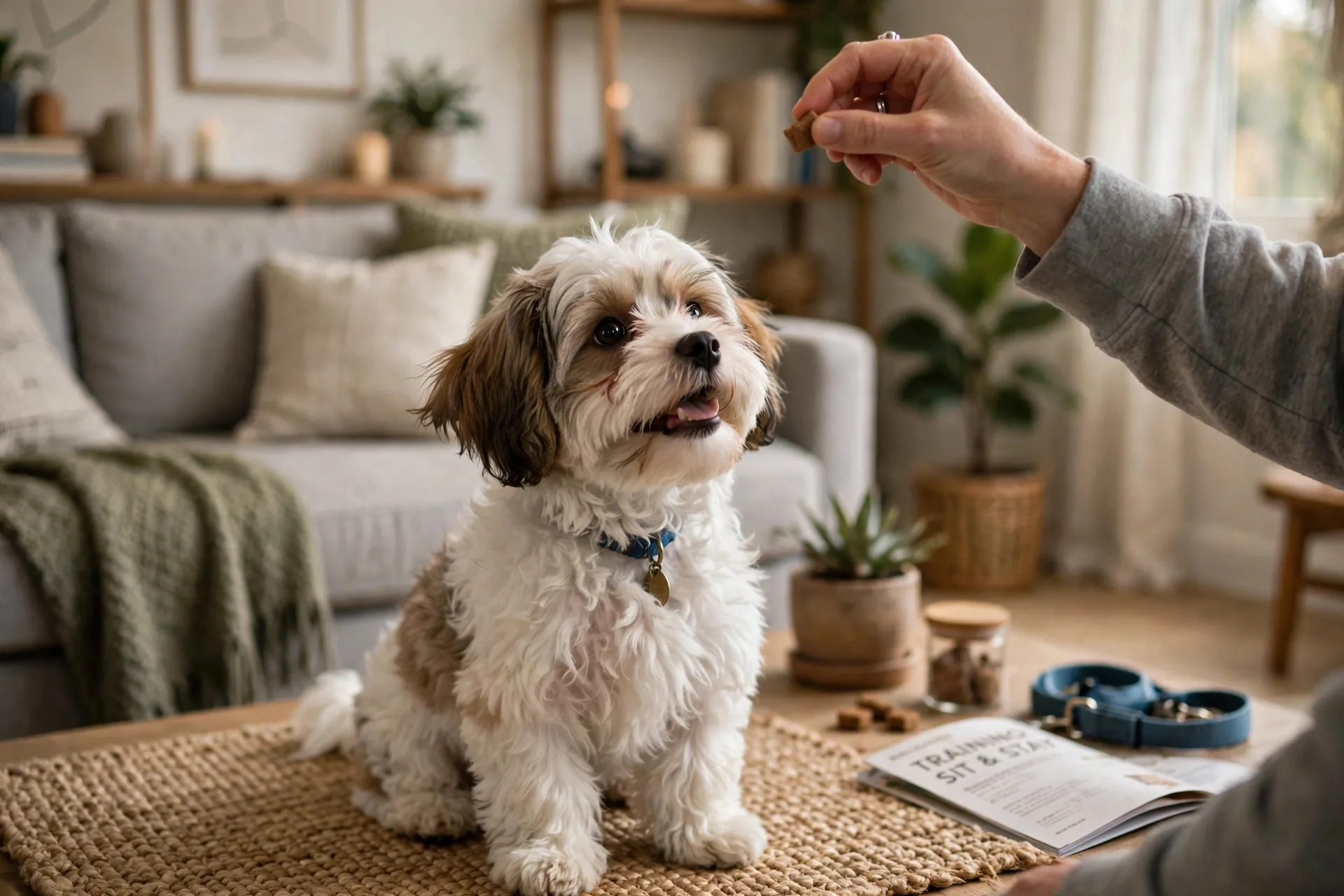
Low shedding and easy training overlap more than most buyers expect. Poodles, Bichon Frises, Havanese, and Miniature Schnauzers all sit near the top for trainability. They are smart, they like working with people, and they respond well to treats and praise. That makes them strong picks among the easiest puppies to train for a first time owner. Shih Tzus and Maltese also learn well, though they can be slower to house train.
The training method matters more than the breed label. Reader’s Digest reports that experts recommend short bursts of five to 10 minutes, a few times a day, because puppies lose focus in marathon sessions. Keep sessions short, end on a win, and reward the behavior you want. Our guide to Puppy Training for Beginners: The First Five Cues walks through sit, recall, and the other early cues in that same short session style.
One more point from the training research is worth carrying into your choice. A trainer quoted by Daily Paws notes that the easiest dogs to train are not always the smartest ones. Dogs in the middle range of intelligence often guess along with a new owner and stay willing, while the very brightest dogs need clearer signals.
How to pick one for your home
Start with your week, not the coat. Count the walks you will actually do, the hours the dog will spend alone, and the grooming appointments you will actually keep. A Portuguese Water Dog needs an active owner. A Maltese needs a gentle home and a lap. A Miniature Schnauzer needs mental work. If the breed fits your week, the low shedding coat is a real perk.
Check the grooming budget too. Professional grooming every four to eight weeks adds up over a year, and the short clip that saves brushing time still costs money. Before you decide, spend time with the individual dog. Shedding and temperament vary from dog to dog, even inside one breed. For a wider look at beginner friendly breeds beyond the low shedding group, see our guide to Best Dog Breeds for First-Time Owners: 9 Easy Picks. And if you bring a puppy home, our new puppy checklist covers the gear and first week setup so training starts on a calm footing.
Questions first time owners ask
Do dogs that barely shed still need brushing?
Most of them need brushing more, not less. Loose hair stays trapped in the coat, so brushing removes it before it mats. A short clip cuts the brushing time a lot.
Are low shedding dogs good for allergies?
They can help, because less shed hair means less dander spread around the house. But no dog is fully hypoallergenic, and allergies come from proteins in dander, saliva, and urine. Spend time with the dog first and talk to your doctor if allergies are serious.
Which low shedding breed is best for an apartment?
Small breeds like the Maltese, Yorkshire Terrier, Shih Tzu, Bichon Frise, and Havanese fit apartments well. They need less space and less exercise than a Portuguese Water Dog.
What is the easiest low shedding puppy to train?
Poodles and Havanese are strong picks. Both are smart, eager to please, and quick to learn basic cues in short sessions. Bichon Frises are close behind.
Sources
- Wisdom Panel on dog breeds that shed the least: Dog Breeds That Shed The Least
- Adopt a Pet on low shedding dog breeds: Dog Breeds Low Shedding
- Cleveland Clinic on hypoallergenic dogs: Are Any Dogs Hypoallergenic
- Reader’s Digest on the easiest dogs to train: Puppies Easiest Hardest Train
- Daily Paws on the easiest dogs to train: Easiest Dogs To Train