
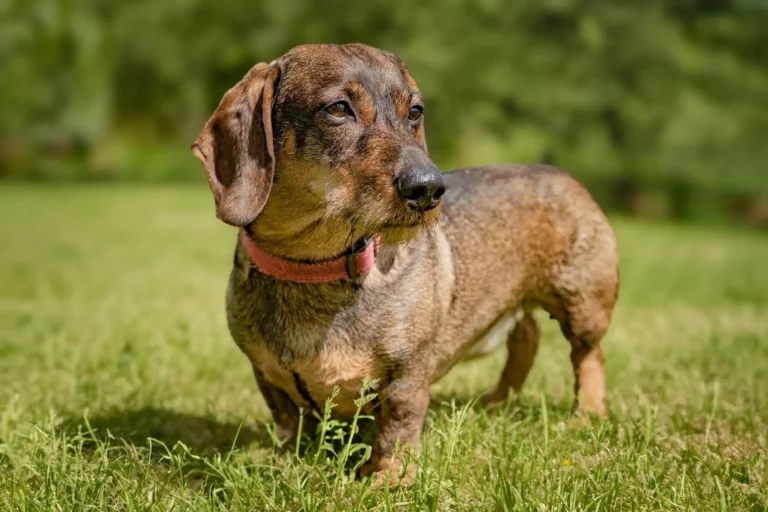
A Dachshund is a bold, loyal, small hound with a long back that needs daily protection. Keep its weight lean, use ramps instead of stairs and jumping, walk it twice a day, and train with patience and treats. Expect barking and stubborn house training. Most live 12 to 16 years, and about one in four faces a back problem called IVDD.
This guide starts with the back, because that is the decision that shapes everything else. Then size and coats. Then temperament and weight. Then exercise and training.
Then grooming and a first week checklist. It also says directly who should wait before getting one. The first-time dog owner guide covers the wider first month, and the best dog breeds for first-time owners
Is a Dachshund right for a first-time owner?
A Dachshund can be a great first dog, and it can also be the wrong first dog. The difference is your home and your patience, and your willingness to protect a long back every single day. This section helps you decide before you fall for the puppy.
Who a Dachshund suits
A Dachshund suits an owner who works from home or is home most of the day, lives in a house or a ground floor flat, and enjoys a dog with opinions. The breed is small, so it fits a flat, and it is loyal to the point of following you from room to room. Best dog breeds for apartments lists small breeds that cope well indoors, and a Dachshund earns its place there only if the stairs problem is solved first.
Who should wait
Wait if your home has steep stairs the dog must climb daily, if nobody is home for long stretches, or if you want a dog that obeys the first time you ask. A Dachshund left alone for eight hours will bark and dig and chew, and then you will have a bored dog with a sore back. Wait too if the idea of carrying a 20 pound dog up the stairs every night sounds like a chore, because that chore is the job.
Miniature vs standard, and the 3 coats
Size and coat change daily life more than most buyers expect. A miniature eats less and fits a smaller home, while a standard has more strength for long walks. Coats change grooming and shedding and how often you brush.
Standard vs miniature size
The AKC standard puts standard Dachshunds at usually 16 to 32 pounds, and miniatures at 11 pounds and under at 12 months of age and older. Miniatures suit flats and laps. Standards suit owners who want a sturdier dog for longer walks and rougher play.
Both sizes share the same long back, the same temperament, and the same back risk. Size does not protect the spine.
Smooth, longhaired, and wirehaired coats
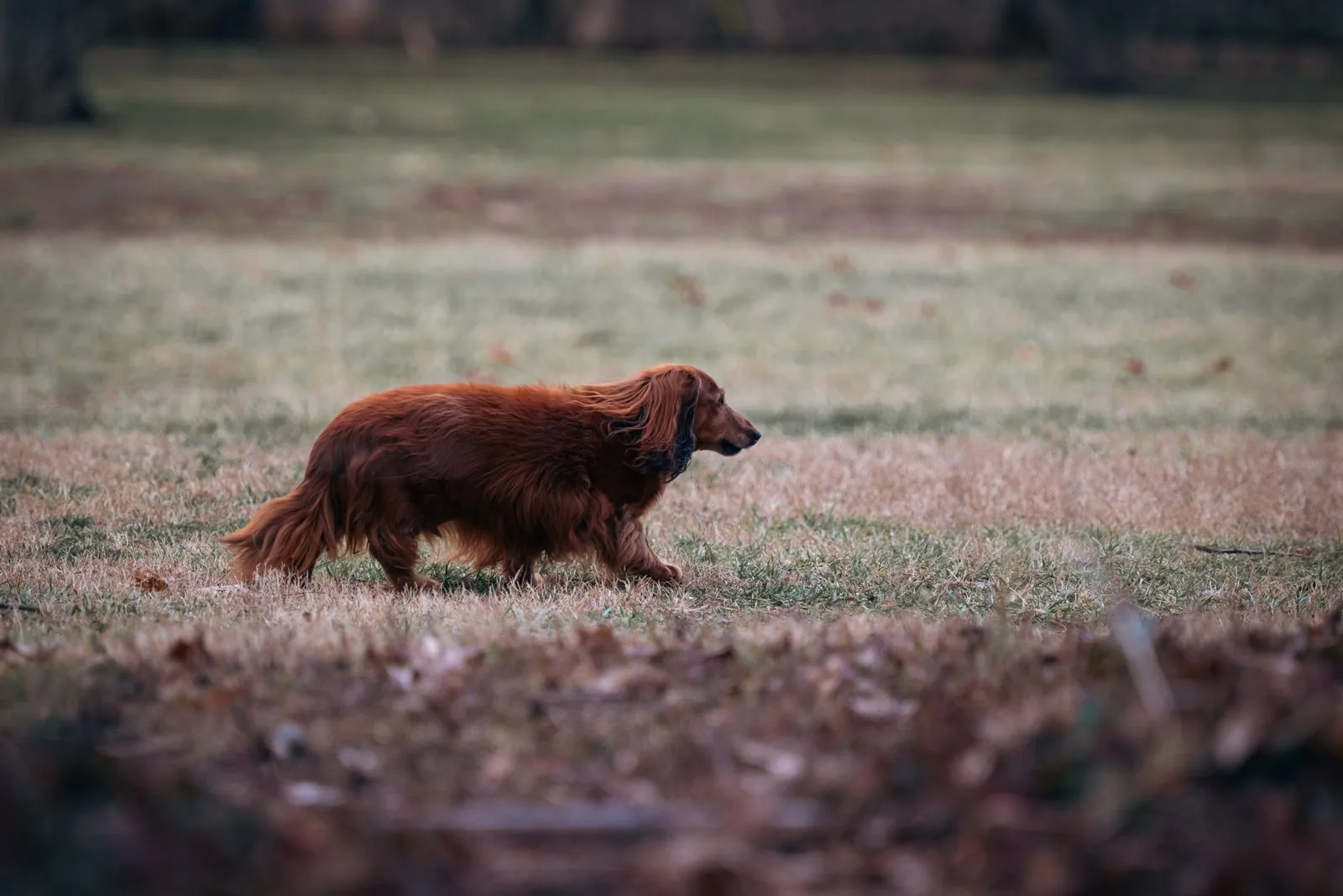
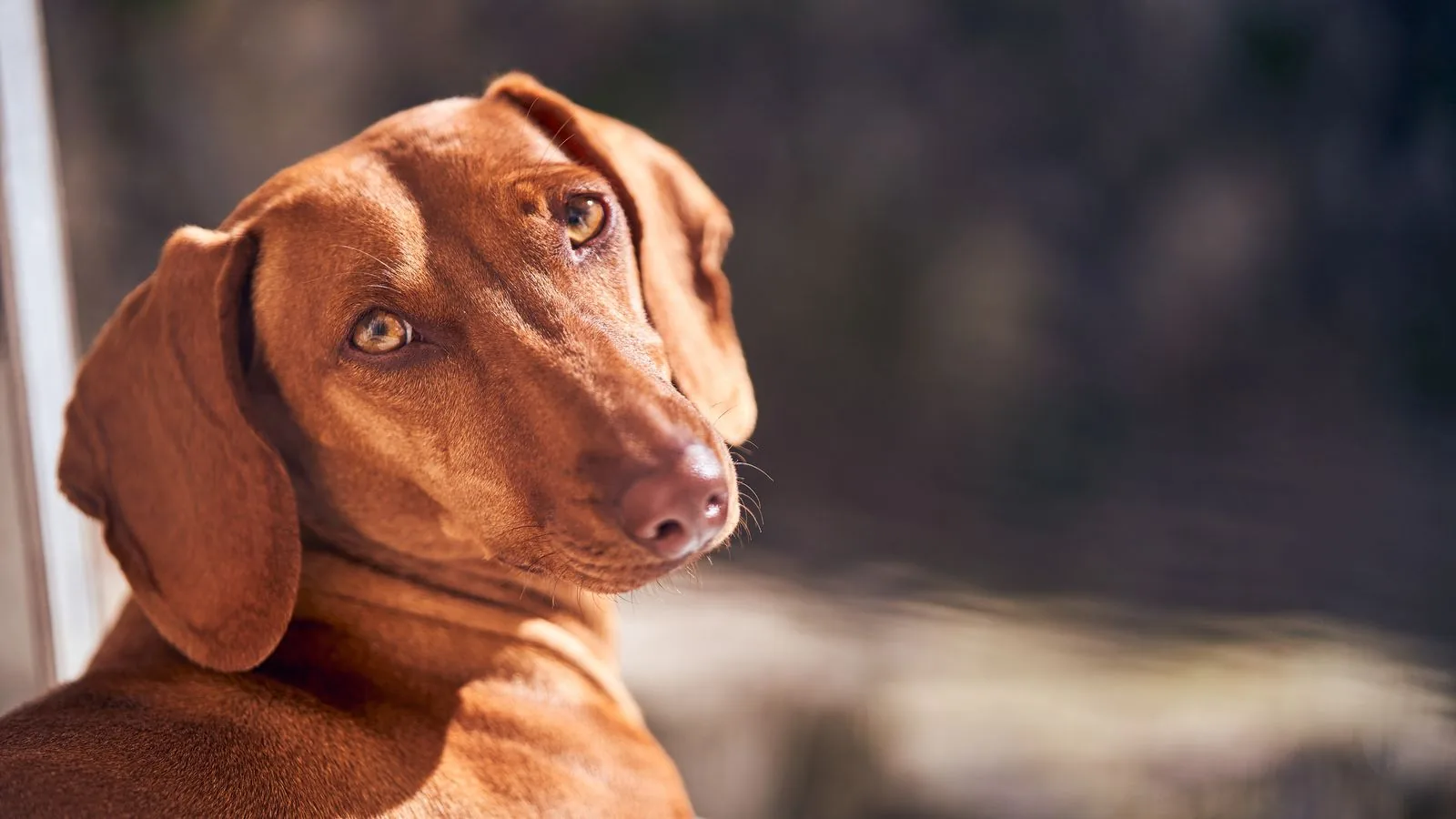
Three coats exist: smooth, longhaired, and wirehaired. A smooth coat sheds short hairs onto furniture and needs the least brushing. A longhaired coat needs brushing several times a week and picks up leaves on walks.
A wirehaired coat needs hand stripping or clipping to keep its texture, and it sheds the least of the three. Pick the coat that fits your grooming time, not just the look.
Temperament: bold, stubborn, and loyal
The AKC standard calls the temperament clever and lively and courageous to the point of rashness. That is a fair summary. Dachshund temperament comes from its history: a dog bred to hunt badgers underground, alone, in the dark. That history explains almost everything about living with one.
With family and children
A Dachshund bonds hard to its people and follows them everywhere. It suits older children who know how to handle a small dog gently. Small children are a risk, because a child who picks a Dachshund up by its front legs can hurt its back. Teach children never to pick the dog up by the front legs, and always to lift with one hand under the chest and one under the hindquarters, keeping the body level.
With other pets
A Dachshund gets on with other dogs of a similar size when it meets them young, and it can live with cats that stand their ground. Small pets are a different matter. The hunting instinct is real, and a hamster or a rabbit will always look like prey to a dog bred to chase animals underground. Supervise every meeting, and keep small pets behind a barrier.
Barking and digging
Dachshunds bark. They bark at the door, at strangers, at other dogs, and at sounds you cannot hear. They also dig, because digging was the job.
A garden with a fence that goes deep into the ground helps, and a tired Dachshund barks less than a bored one. Training reduces the barking, and it never removes it. If you need a quiet dog, pick another breed.
The back: IVDD and how to protect it
This is the section that matters most, and it is why this guide leads with the back instead of the cute photos. A Dachshund’s long spine carries a risk no other common breed carries, and daily habits decide how that risk plays out.
What IVDD is
IVDD stands for intervertebral disc disease. A disc between the bones of the spine bulges or bursts and presses on the spinal cord, according to PetMD. The sudden form, Hansen Type I, is most common in Dachshunds. Chondrodystrophy, the trait that gives the breed its long body and short legs, makes the discs age and harden faster, according to Doxie Warehouse.
The numbers for dachshund IVDD vary by source, and the range tells its own story. PetMD says as many as 25 percent of Dachshunds develop IVDD in their lifetime. Caninpedia cites Royal Veterinary College work estimating a 10 to 12 times higher IVDD risk than other breeds, with 19 to 24 percent showing signs in their lifetime.
A DachsLife 2015 survey of 2,031 Dachshunds found 15.7 percent diagnosed with IVDD. Read those figures as a range, not a single settled number. About one in four is the shorthand most owners use.
Warning signs that need a vet fast
Back pain, trouble walking, limping, holding the head down, dragging paws, and problems urinating or defecating are the signs PetMD lists. Treat them as urgent.
A dog that cannot stand or walk, drags its legs, shows severe pain, or cannot urinate needs a vet now, not tomorrow. PetMD notes that IVDD can lead to permanent paralysis if not treated quickly, and that early treatment offers the best chance for recovery. Treatment may include strict rest and medication or surgery, and the vet decides which one fits the case. Ask your vet about expected costs early, before an emergency, and check insurance options while the dog is young and healthy.
Ramps, lifting, and walking gear
Jumping on and off furniture is a leading trigger for IVDD episodes, according to Doxie Warehouse. Put a ramp or pet steps at the sofa and the bed, and train the dog to use them from day one. Carry the dog up and down stairs when you can, and lift it with one hand under the chest and one under the hindquarters, keeping the body level, as Dachshunds Planet advises.
Use chest walking gear instead of a collar. A chest vest spreads pressure across the chest instead of the neck, which matters for a breed with a fragile spine. A collar pulls on the neck and the upper spine with every lunge. Fit the gear snugly, check it weekly as the dog grows, and replace it when it rubs.
Weight: the one number that protects the spine
Weight control is spinal protection. Every extra pound loads a spine that is already working hard, and obesity is a known predisposition for IVDD, according to PetMD. A lean Dachshund lives longer and moves better than a heavy one, and the difference shows in the back first.
How to tell if your Dachshund is overweight
Feel the ribs under a light cover of fat, and look for a waist when you view the dog from above. That is the body condition check DogBreedSites recommends, and it beats chasing a single weight number, because healthy weight varies with frame and height. If you cannot feel the ribs without pressing, or the waist has vanished, the dog is overweight. Ask your vet to score the body condition at the next visit, and weigh the dog monthly on the same scale.
Feeding without overfeeding
Feed two meals a day at fixed times, as Dachshunds Planet recommends for adults. Measure the food with a cup, and do not top up the bowl because the dog looks hungry. Dachshunds are skilled beggars, and a face at the table has won many extra meals.
Keep treats to a small share of the daily food, and use part of the meal as training treats instead of adding extra. A food puzzle slows a fast eater and makes a small meal last longer.
Exercise: how much, and what to avoid
A Dachshund needs real exercise every day, and it needs the right kind. The goal is a fit dog with strong core muscles and a protected spine, not a tired dog that jumped off everything in sight.
Two walks a day
Two walks a day of 20 to 30 minutes is a good baseline for an adult, according to Dachshunds Planet. Walk on flat ground where you can, and keep the pace steady. A long walk on level paths builds the muscles that support the spine. Short, frequent walks beat one exhausting hike, and a puppy needs less than an adult, with rest built in.
Scent games and mental work
A Dachshund is a scent hound, and scent work tires it out without loading the spine. Hide treats around a room, scatter kibble in grass, or teach a simple find it game. Ten minutes of sniffing works the brain harder than ten minutes of fetching, and a mentally tired Dachshund sleeps instead of barking.
What never to let them do
Never let a Dachshund jump off the bed, the sofa, or the car boot. Never let it climb steep stairs daily, chase a ball down a slope, or wrestle roughly with a large dog. Stairs, jumping, and rough play are the three habits that load the spine hardest, and all three are habits you control. Ramps, a lift into the car, and calm play on flat ground replace them.
Training and house training
A Dachshund learns fast and obeys slowly. That gap is the whole training problem, and patience is the only fix that works. Short sessions, good treats, and a calm voice beat long drills every time.
Why house training takes longer
Dachshunds are famously hard to house train. Small bladders, stubborn independence, and a dislike of cold or wet weather all slow the process. A puppy that refuses to go out in the rain is not being difficult.
It is a small dog with short legs in wet grass, and it would rather wait. Expect months, not weeks, and keep the routine steady through winter.
A patient routine that works
Take the puppy out first thing in the morning, after every meal, after every nap, and last thing at night. Use the same door and the same spot. Praise the second the puppy goes, and keep treats in your pocket for that moment.
Never punish an accident indoors. Clean it quietly and take the puppy out sooner next time. Puppy training for beginners covers the wider training plan, including crate training and the first commands.
Socialisation from day one
Meet new people, dogs, sounds, and places from the first week home, in short calm doses. A Dachshund that meets only its own household grows suspicious of everyone else, and suspicion turns into barking and nipping. Puppy classes help, and they give the dog a safe place to learn that strangers are boring. Keep early meetings short and end them before the puppy gets tired.
Grooming by coat type
Grooming is simple once you match it to the coat. The wrong routine for the coat causes mats in one and a dull coat in another, so check which coat your dog has before you buy a brush.
Smooth coat
A smooth coat needs a weekly brush with a rubber mitt or a soft bristle brush, and a wipe down after muddy walks. It sheds short hairs all year, so a lint roller earns its keep. Bathe only when the dog smells or rolls in something. How to groom a dog at home covers the bath and brush basics for all coats.
Longhaired coat
A longhaired coat needs brushing several times a week, with a pin brush and a comb, paying attention behind the ears and under the legs, where mats form first. Trim the feathering on the ears and tail when it drags, and check the paws for mud and tangles after every walk. A longhaired Dachshund that goes unbrushed for a month will need a professional groomer to fix the mats.
Wirehaired coat
A wirehaired coat needs hand stripping or clipping every few months to keep its texture, plus a weekly brush with a slicker brush. Stripping pulls out dead hair by hand or with a stripping knife, and it keeps the coat wiry instead of soft. Most owners leave stripping to a groomer, and that is a fair choice, since a bad strip can thin the coat.
Dachshund guide: your first week checklist
Set the house up before the puppy arrives. Put ramps at the sofa and the bed, and block the stairs with a gate. Lay a bed in a quiet corner, away from drafts. Buy chest walking gear in the right size, a lead, food and water bowls, the food the breeder used, a crate, chew toys, and a brush that fits the coat.
Book the vet visit for the first week, and bring the breeder paperwork and the vaccine record, plus a list of questions about the back and the weight. Start the house training routine on day one, with the same door and the same spot. Keep visitors few and calm for the first days, and let the puppy sleep as much as it wants. Flea and tick prevention for dogs belongs on the first week list too, so ask the vet which product fits a puppy of this size.
FAQ
Are Dachshunds good for first-time owners?
They can be, for an owner who is home most of the day, has few stairs, and has patience for barking and slow house training. They are a poor first dog for a home with steep stairs, long absences, or small children who lift dogs by the front legs.
How long do Dachshunds live?
Most live 12 to 16 years, according to PetMD. A lean weight, daily walks on flat ground, and ramps instead of jumping give a Dachshund the best chance of reaching the top of that range.
Why are Dachshunds prone to back problems?
Chondrodystrophy makes their discs age and harden faster, and the long spine puts more load on each disc. PetMD says as many as 25 percent develop IVDD in their lifetime, while other sources put the figure at 19 to 24 percent showing signs. Weight, jumping, and stairs raise the risk further.
Miniature or standard Dachshund: which is better for a first-time owner?
A miniature suits a flat and a lap, and it eats less. A standard suits longer walks and rougher play. Both share the same back risk and the same temperament, so pick by home and lifestyle, not by the idea that a smaller dog is safer.
How much exercise does a Dachshund need?
Two walks a day of 20 to 30 minutes is a good baseline for an adult, plus scent games for mental work. Puppies need less, with rest built in. Avoid jumping, steep stairs, and rough play with large dogs.
Are Dachshunds hard to house train?
They are, and owners should plan for months rather than weeks. Small bladders, stubborn independence, and a dislike of cold or wet weather all slow the process. A fixed routine, praise the second the puppy goes, and no punishment for accidents will get you there.
This guide is general information, not a substitute for veterinary advice. If your Dachshund shows back pain, trouble walking, dragging paws, or problems urinating, call your vet fast. No dosage or treatment advice appears here, because those decisions belong to the vet who examines your dog.
Sources
- PetMD, Dachshund Dog Breed Health and Care, Dachshund
- PetMD, IVDD in Dogs: Symptoms, Treatment, and Recovery, Intervertebral Disc Disease In Dogs
- Caninpedia, Dachshund: temperament, health and care, Dachshund
- American Kennel Club, Official Standard of the Dachshund, Dachshund
- Doxie Warehouse, Dachshund Care Guide for New Owners, Dachshund Care Guide For New Owners Everything You Need To Know
- Dachshunds Planet, Dachshund care, Dachshund Care
- DogBreedSites, Dachshund Breed Guide: Temperament and Care, Dachshund Breed Guide
- Long Dog Society, A First-Time Dachshund Owner’s Guide, A First Time Dachshund Owner S Guide What To Know Before You Bring One Home