
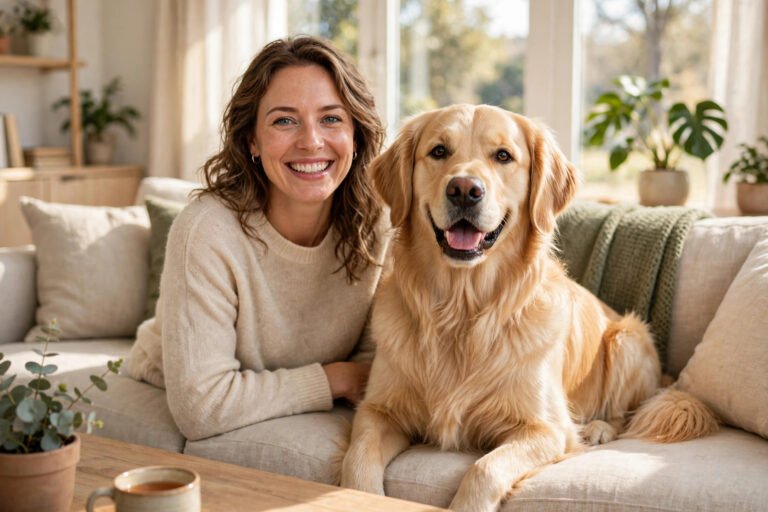
The Labrador Retriever held the American Kennel Club top popularity spot for more than 30 years. That run says something useful about the best dog breeds for first-time owners. New owners keep picking the same few breeds because those breeds forgive beginner mistakes. A good first dog stays friendly when you fumble the timing on a reward, settles when the routine slips for a day, and sleeps through a missed walk instead of eating the sofa.
This guide covers nine breeds that show up on nearly every expert list, plus the ones to think twice about. Every breed here has a trade off. The trick is picking the trade off you can live with.
What actually makes a dog easy for a first timer
Rover asked Dr. Aimee Warner, a licensed veterinarian, what to look for, and her list is a good filter. Friendly dogs get along with the people and dogs they meet. Biddable dogs forgive the timing mistakes new owners make while they learn training. Low maintenance coats cost less time and money. Calm dogs adapt when the house changes. Lower energy dogs fit a normal workday.
No breed ticks all five boxes. A Poodle is easy to train and barely sheds, and it needs regular grooming. A Pug has a no fuss coat and low exercise needs, and it struggles in heat. The question is never which breed is easiest in general. It is which breed is easiest for your home and your hours.
One more thing before the list. An adult rescue dog can be an easier first dog than any puppy on this page, because a rescue already knows the dog’s size and energy. Breed matters, and the individual dog in front of you matters more.
Big, friendly, and forgiving: the best dog breeds for first-time owners
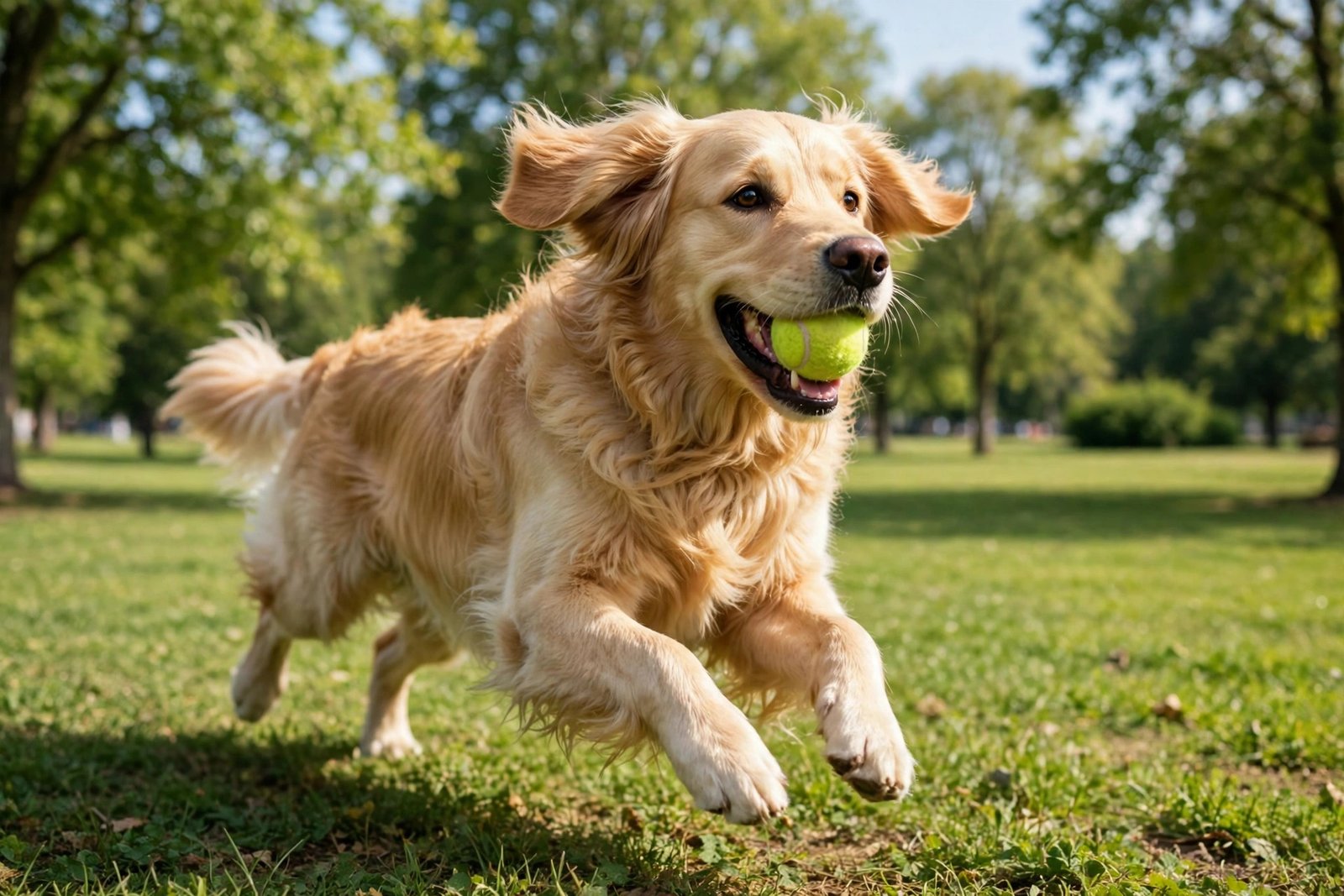
The Golden Retriever is the default answer for a reason. Rover calls Goldens social and affectionate, and typically good with kids. They average 60 to 70 pounds at maturity, so they need a yard or easy access to outdoor space. Their coats need frequent brushing to avoid matting.
Goldens thrive on activity, and their intelligence makes them easy to teach. Rover puts breeder cost at $2,000 to $4,000.
The Labrador Retriever is the Golden’s close cousin in temperament and a different dog in energy. Rover says Labs have playful personalities and intense loyalty, plus a love of learning and eating. They range from 60 to 80 pounds and do best in active households.
A bored Lab finds its own entertainment. Their short coats are easy to maintain, but the shedding is real, so expect hair on everything. Breeder cost runs $1,000 to $3,000, according to Rover.
Pick the Golden if you want a slightly softer dog that still needs real exercise. Pick the Lab if you run, hike, or have kids who play outside every day. Both shed heavily and need training from day one, and both forgive a beginner who shows up consistently.
The Boxer suits a different kind of first timer. The American Kennel Club says Boxers love to be with their owners, and their desire for human affection, especially from children, stands out. They are patient and spirited with children, and protective, which makes them popular with families. A Boxer needs little grooming and a run or a long play session every day. A puppy Boxer is a bouncing, mouthy handful for the first year or two.
The Bernese Mountain Dog is the gentle giant on this list, and it comes with the clearest warning. Rover calls Berners beautiful and loyal, and extraordinarily gentle with families. They weigh 75 to 115 pounds and exercise in short spurts. Their thick coats need regular brushing and shed. The catch is health: Berners can be prone to a variety of health issues that may limit their longevity, so go in with eyes open and a vet fund ready.
Small dogs that fit an apartment
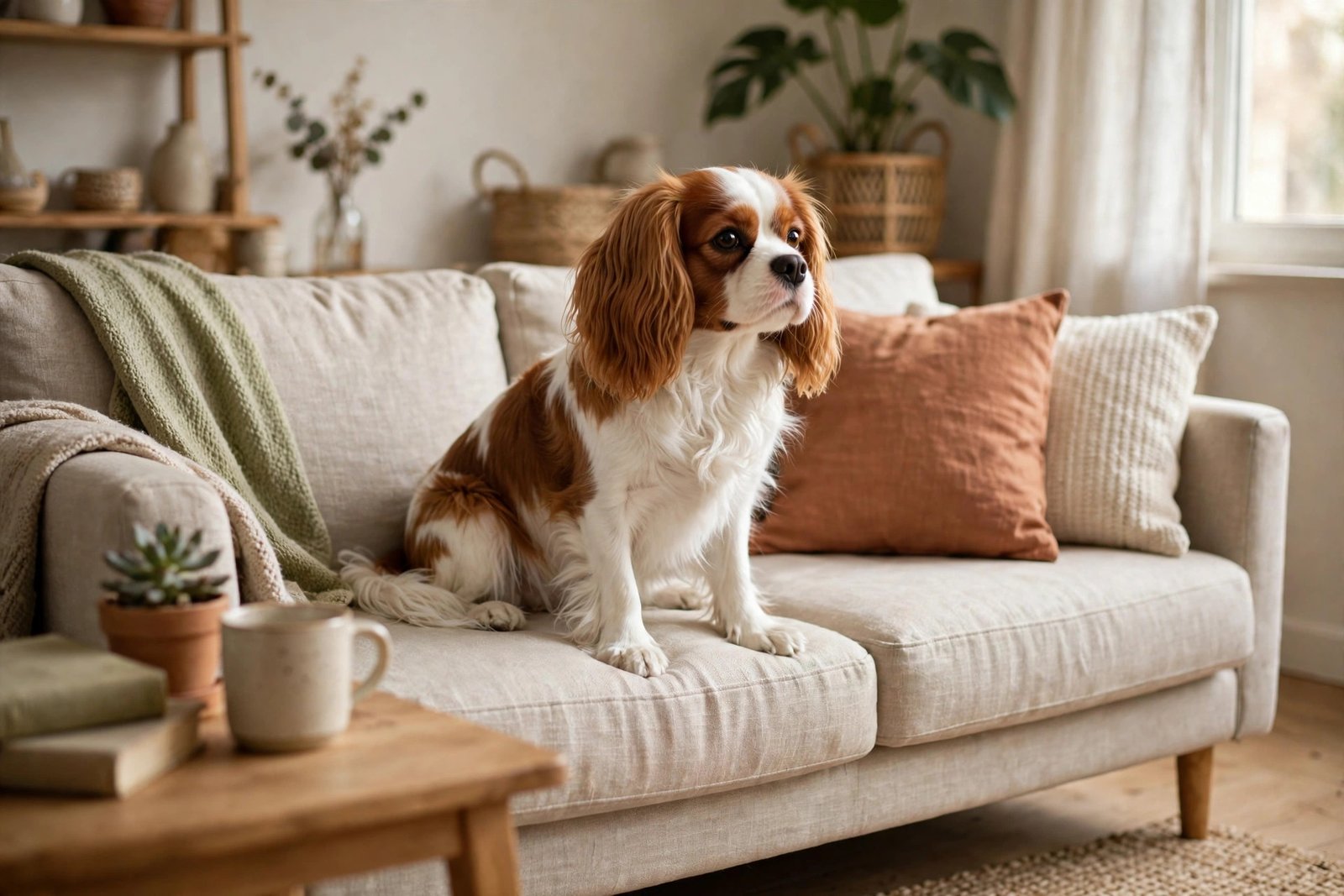
The Cavalier King Charles Spaniel is the easiest small dog on this page. The American Kennel Club calls the Cavalier gentle and affectionate, adaptable, and good with all sorts of people, from young children to the elderly. Rover puts an adult Cavalier at about 15 pounds, with moderate energy and low effort grooming beyond regular brushing.
They adapt to houses and apartments alike. The one habit to plan for is chasing, so keep a Cavalier on a leash without a fenced yard.
The Shih Tzu was bred to sit on a lap, and it still takes the job seriously. Rover says Shih Tzus are happiest spending time with their humans and ask for little exercise. They average 9 to 16 pounds, and they are not prone to much barking, which helps in close quarters with neighbors.
The coat needs regular grooming to prevent tangles, and a puppy cut keeps maintenance easier. Potty training takes patience, and Shih Tzus respond well to positive reinforcement.
The Bichon Frise is a small white cloud of a dog that fits city life. Rover says Bichons are generally less than a foot tall, do not need much space, and stay content with modest exercise. They love to play and train, and they get along well with people and other pets. The coat is the price: regular visits to a professional groomer, plus careful brushing at home. On the plus side, shedding is minimal.
The Pug is the lowest effort dog on this list, with one big asterisk. Rover calls the Pug hard to beat for a low maintenance first dog. The short coat needs no professional upkeep, and Pugs are happy to chill in a variety of situations. They do not need much outdoor space or exercise.
The asterisk is the flat face. Pugs can have breathing problems and cannot spend much time in heat or humidity, so short daily walks with long sniffs are enough. Pugs also love food, so watch the weight.
The Papillon is the surprise on this list. It weighs up to 10 pounds, and it is one of the most athletic small dogs alive. The American Kennel Club says Papillons are happy in an apartment, in the country, or anywhere in between, and they can be exercised indoors as well as outdoors. Rover adds that Papillons are consistently top contenders in dog sports, and they are fast learners and easy to train, even for first time owners. Their coats shed minimally and are easy to maintain.
The Poodle comes in three sizes and one grooming bill
The Poodle deserves its own section because it breaks the usual rules. It comes in Toy, Miniature, and Standard sizes, so the same breed fits a studio apartment or a house with a yard. The American Kennel Club calls the Poodle exceptionally smart, and says it can accommodate nearly any size of living quarters. Its nearly hypoallergenic coat may reduce allergic reactions.
Rover calls Poodles the teacher’s pets of the dog world, fast learners and eager to please, with non shedding coats that suit allergy prone homes. The bill arrives at the groomer. That non shedding coat needs constant attention to stay free of mats and dirt, and most owners pay for regular clipping.
A Standard Poodle also needs real exercise and mental work, and a bored Poodle invents its own games. If you can afford the grooming and you enjoy training, the Poodle is the smartest easy dog on this list.
How to pick one for your life
Start with your day, not the breed list. Write down your honest schedule.
How many hours is the house empty? How much exercise can you give every day, rain included? How much grooming can you afford each month? A dog that needs two hours of activity will not become a calm dog because you wish it would.
Apartments favor small, quiet dogs. Cavaliers, Shih Tzus, Bichons, and Pugs all do well in small spaces, and they do not need a yard. Houses with yards favor Goldens, Labs, and Boxers, though a yard never replaces walks and training. A dog left alone in a yard is a bored dog with a fence to dig under.
Allergies point toward Poodles and Bichons, whose coats shed little. No dog is fully hypoallergenic, and the American Kennel Club says a Poodle coat may reduce reactions rather than eliminate them. Spend time with the breed before you commit.
Budget matters more than most lists admit. Rover lists breeder prices from $500 to $2,000 for a Shih Tzu or Papillon, up to $3,000 to $5,000 for a Cavalier. Those are breeder prices, and they vary by region and lineage.
Rescue is the cheaper route, and an adult rescue skips the hardest puppy months. Food, vet care, and grooming add up every month for 10 to 15 years, so the purchase price is the smallest part of the bill.
Once you narrow it to two breeds, meet both. Visit a breed rescue, a dog show, or a friend who owns one. Watch how the dog acts in a normal house. Then read our new puppy checklist before the dog comes home, and our guide to puppy training for beginners for the first five cues to teach.
Breeds to think twice about
Some wonderful dogs are hard first dogs, and saying so saves a bad match. Herding breeds top that list. PetMD says Collies need at least an hour of outdoor exercise daily, and they can become destructive and vocal without enough mental and physical stimulation. Border Collies need even more.
A smart, high energy dog with nothing to do will herd your children, chase your bike, and bark at the mail carrier. That is a working dog without work, not a bad dog.
Guarding and protective breeds need the same caution. German Shepherds, Rottweilers, and Akitas are loyal and capable, and they need consistent training from day one and an owner who understands guarding behavior. A beginner can raise one well, but the margin for error is thinner, and a mistake with a 90 pound protective dog costs more than a mistake with a 15 pound Cavalier.
Independent breeds frustrate new owners in a quieter way. Shiba Inus and Basenjis are clean and clever, and hard to train, because they do not care much about pleasing you. If your first training experience is a dog that looks at a treat and walks away, you will think you failed.
None of this means you cannot choose one of these breeds. It means you should choose it on purpose, with a trainer lined up and time budgeted, not because it looked good in a photo.
Questions first time owners ask
What is the easiest dog breed for a first time owner?
The Cavalier King Charles Spaniel is the easiest all rounder on this list: small, gentle, trainable, and happy in most homes. The Golden Retriever is the easiest large breed for an active owner.
Are Labs or Goldens better for beginners?
Both work. Labs need more exercise and shed more, and they are a little more boisterous as puppies. Goldens need more brushing and a little less frantic energy. Pick by your activity level.
What is the best first dog for an apartment?
A Cavalier, Shih Tzu, Bichon Frise, or Pug. All four are small and quiet, and content with modest exercise. A Papillon works too if you will train it and give it play.
Should a first time owner get a puppy or an adult dog?
An adult dog is usually easier. You know its size and energy, and you skip house training and teething. A puppy is a bigger commitment and a bigger reward, and it needs the first weeks covered in our new puppy checklist.
Visit a breed rescue this week and meet two breeds from this list in person. Watch how each dog greets a stranger and settles after ten minutes. The breed that feels calm in your hands is the one to take home.
2 thoughts on “Best Dog Breeds for First-Time Owners: 9 Easy Picks”