
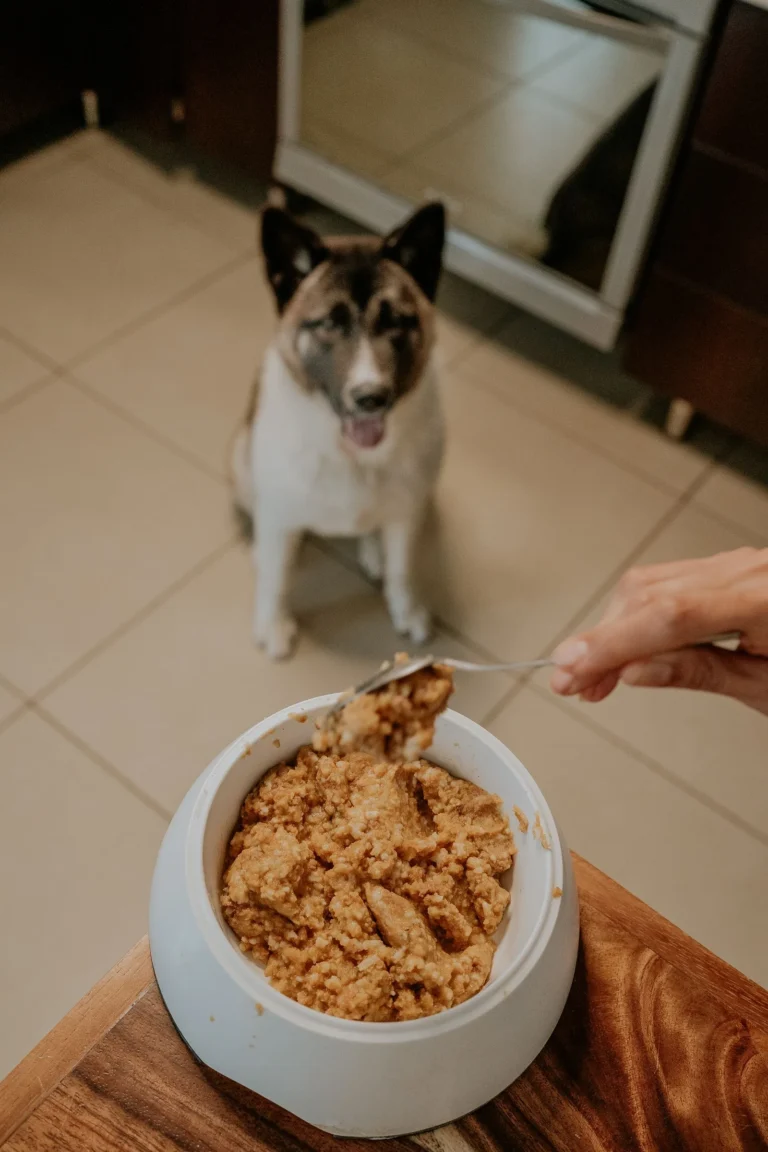
You put the bowl down at seven. Your dog walks over, sniffs it once, looks at you, and walks away. Ten minutes later he is at the treat jar, tail wagging, ready to eat anything that is not dinner.
If that scene plays out in your kitchen most nights, you do not have a dog who hates food. You have a dog who has learned that waiting pays better than eating.
Quick answer:
Most healthy picky dogs refuse food because of routine, not taste. Timed meals, a 15 to 20 minute window, treats kept to 10 percent of daily calories, and one complete and balanced food usually get a healthy dog eating again within one to two mealtimes, once the rules stay consistent, according to Webvet. If your dog stops eating suddenly, loses weight, or seems unwell, skip the reset and call your vet first.
Dog food for picky eaters is a crowded shelf. Every bag promises a fussy dog will love it. Most of those promises miss the point.
The food in the bowl is usually fine. The routine around the bowl is what teaches a healthy dog to refuse it. Fix the routine first, and the food question gets much smaller.
This guide does that in order. First, how to tell pickiness from a health problem. Then the habit that creates most picky eaters.
Then a 7 day reset you can start tonight. Then how to choose the food itself, and how to use toppers without letting them take over the meal.
Is your dog picky, or is something wrong
Picky describes behavior, not a diagnosis. A healthy picky dog keeps his weight, keeps his energy, and eats treats, table food, or a fresh bowl of something new with enthusiasm. He skips his own meals.
He eats slowly. He turns away from food he ate happily last week. That pattern is frustrating, and it is also workable.
When to call the vet first
A sudden change is a different matter. A dog who ate normally and now refuses food, seems painful, has trouble chewing, vomits, has diarrhea, loses weight, or acts lethargic needs a vet before he needs a new recipe. That is the order Vetstreet puts it in, and it is the right one. A more tempting bowl cannot fix a sore tooth or a sick stomach.
The VCA guide to anorexia in dogs makes a useful split. True loss of appetite is one thing. A dog who wants food but has difficulty picking it up, chewing, or swallowing is another.
Watch which one you are seeing. A dog who drops kibble, chews on one side, or paws at his mouth may be telling you about his teeth, not his taste.
Age changes the picture too. Puppies and seniors go off food for reasons of their own, and both groups get sick faster when they skip meals. If your dog is very young, very old, or has a known condition, call the vet on day one of a refusal instead of running the reset in this guide.
The American Kennel Club says the same thing in plainer terms. A dog who normally eats well and suddenly refuses food, appears lethargic, or seems unwell should see a veterinarian.
Once health is ruled out, the rest of this guide applies. And the rest of it starts with an uncomfortable fact. In most houses, the owner trained the pickiness.
How a dog learns to refuse dinner
Dogs learn from what works. Your dog refused dinner once, maybe because he was not hungry, maybe because the room was noisy, maybe for no reason at all. You added something better on top.
He ate. You felt relieved. He learned a rule: refusing dinner produces an upgrade.
Run that loop a few dozen times and you have a dog who will not eat plain food on principle. He is not being stubborn. Stubborn implies a plan. He is doing the thing that has always worked, and every time you sweeten the bowl after a refusal, you confirm it.
Free feeding feeds the same loop from the other side. A bowl that sits full all day teaches a dog that food is always there, so there is never a reason to eat now. Grazing also hides how much he actually eats, which makes it hard to tell whether he skipped a meal or just spread it across the afternoon.
Webvet puts it bluntly. Do not free feed a picky dog, and do not add human food on top. Both teach your dog that holding out gets an upgrade.
Treats do the same job quietly. A dog who gets biscuits between meals, a bite of your sandwich, and a training treat for sitting may arrive at dinner already half full. VCA warns that too many treats can interfere with a dog’s appetite for regular food, and the numbers show how fast it happens.
One large milk bone carries about 85 calories. For a small dog, two of those can eat a serious share of the day before dinner is even served.
Everyone in the house has to play by the same rules
One person running the reset while the rest of the house hands out scraps will not work. Children are the usual leak, and they are not being naughty. A child who slips the dog a bite of sandwich under the table is being kind, and the dog learns the same lesson from it: waiting pays better than eating dinner. Grandparents, visitors, and the neighbour who keeps a biscuit in a pocket all count too.
Hold a short family meeting before the reset starts. Agree that nobody feeds the dog outside mealtimes, and that treats come from one jar, counted, not from pockets and plates. If the dog was recently adopted, give it the same treatment with extra patience. A new dog in a new home needs a week or two to settle before you can tell pickiness from nerves, so run the routine gently and do not judge the first few days.
None of this means you did something wrong. It means the fix is a routine change, not a shopping trip. A dog who has learned to wait for something better can unlearn it, usually within a few days, if the rules stay the same every single meal.
The 7 day reset
The reset has one rule at its centre. The food goes down for a set time. Then it comes up.
No chasing, no coaxing, no upgrade after a refusal. A healthy dog will not starve himself in a week, and hunger is the most honest appetite stimulant there is. If he skips a meal and shows any sign of illness, stop the reset and call your vet. That exception matters more than the schedule.
Pick one complete and balanced food before you start, and stick with it for all seven days. Switching foods midweek restarts the loop. You are testing the routine, not the recipe.
If the food is a kibble he has eaten before without trouble, use that. Familiar beats novel here.
| Days | What to do | Meal window | Treats and extras |
|---|---|---|---|
| Days 1 and 2 | Put the measured portion down at the usual time, then pick it up calmly even if he barely touched it | 15 to 20 minutes | None until the next meal, no treats, table scraps, or biscuits |
| Days 3 and 4 | Same two times, same quiet spot, same bowl; warm wet food slightly, or add a spoonful of warm water to kibble | 15 to 20 minutes | None outside meals |
| Days 5 to 7 | Keep the same routine; a dog learning the rules eats sooner and eats more of the portion | 15 to 20 minutes | Keep all extras at 10 percent or less of daily calories |
Days 1 and 2: the hard part
Days 1 and 2 are the hardest, mostly for you. Put the measured portion down at the usual time. Leave it for 15 to 20 minutes.
Then pick it up calmly, even if he barely touched it. Do not offer anything else until the next meal. That includes treats, table scraps, and the biscuit you give him for looking sad.
The AKC notes that dogs who eat too many extras may feel full before consuming their complete and balanced food. Your job on these two days is to let him feel hungry at the next meal.
Days 3 and 4: where most dogs turn
Days 3 and 4 are where most dogs turn. Feed at the same two times, in the same quiet spot, with the same bowl. Warm the food slightly if it is wet food, or add a spoonful of warm water to kibble.
Warmth lifts aroma, and aroma is what a dog eats with first. Webvet suggests warming wet food to body temperature, about 100 degrees Fahrenheit, and owners often see the difference at the first warmed meal. Keep the meal window at 15 to 20 minutes and keep picking the bowl up when time is over.
Days 5 to 7: what a win looks like
By days 5 to 7, the pattern should be visible. A dog who is learning the new rules eats sooner, eats more of the portion, and stops checking your face for a better offer. If he eats half the portion and walks away, that may be his portion.
Not every dog needs the amount on the bag. The feeding guide on the package is a starting point for an average dog, and your dog may not be average. Weigh him weekly during the reset. Stable weight plus a dog who eats his meals is a win, even if the bowl is not licked clean.
What not to do during the reset
Do not hand feed him to get him started. Hand feeding feels kind, and it teaches him that food only counts when it comes from your hand.
Do not sit beside the bowl and watch him eat. Hovering adds pressure, and a nervous dog eats less. Put the bowl down, walk away, and let him decide in peace.
If seven days pass and nothing has changed, stop and reassess instead of pushing harder. A dog who still refuses every meal after a clean week of timed feeding, no treats, and no upgrades is giving you information. Book a vet visit, and bring the notes: what he ate, what he refused, his weight, and when the refusal started. That log is worth more than another bag of food.
Choosing the right dog food for picky eaters
Once the routine is fixed, the food still has to be one your dog will eat. Shopping for dog food for picky eaters means shopping for four things at once, and price is not one of them. The four are aroma, texture, moisture, and a label that says complete and balanced.
Aroma, texture, and moisture
Aroma comes first because dogs experience food through smell far more than through taste. A food that smells strongly of real protein and fat will usually beat one that smells like dry cereal, whatever the nutrition panel says. This is why warming wet food works, and why gently cooked food often tempts a fussy dog at the first try. Freshpet points out that fresh recipes hold onto aroma, moisture, and flavour that heavily processed kibble loses.
Texture is personal to the dog. Some dogs refuse kibble and eat wet food happily. Others like a mix, kibble softened with warm water or broth, or a wet topper stirred through dry food.
There is no correct texture, only the one your dog finishes. If you switch textures, do it once, at the start of a week, and give it the full week. Switching every second day is the upgrade loop wearing a different coat.
Moisture is the quiet factor. Freshpet puts fresh recipes at around 65 to 75 percent moisture, compared with roughly 10 percent in kibble. That is Freshpet’s own figure, not a verified AAFCO page, so treat it as a brand claim rather than a regulation.
That gap explains why a dog who ignores dry food may eat the same recipe wet. If your dog drinks little water, a wetter food also helps his hydration, though water in the bowl still matters more than water in the food.
The label check
The label check is short. Look for a statement that the food is complete and balanced for your dog’s life stage. That phrase means it meets AAFCO nutrient profiles or passed feeding trials, and it is the difference between a meal and a snack.
A food without it can still be fine as a topper or a treat, but it cannot carry the whole diet. If your dog has a sensitive stomach or a suspected allergy, read our guide to dog food for allergies before you switch, because a new protein can hide the very problem you are trying to solve.
This guide crowns no single brand. The right food for a picky eater is the complete and balanced one, in a texture he likes, that he eats consistently for weeks. Consistency is the test. A food he loved once and refuses on day three failed the only test that counts.
Toppers that help, and toppers that take over
A topper is a small addition that makes the main food more appealing. The key word is small. Vetstreet advises keeping treats, toppers, and table food to about 10 percent or less of daily calories, and the vet sources agree on the reason. Once extras pass that line, they stop being seasoning and start replacing the balanced meal.
The 10 percent rule is simple to state and easy to get wrong. It is 10 percent of calories, not 10 percent of the bowl, and it counts everything outside the main food. Training treats count.
Table scraps count. The biscuit for being good counts. The AKC makes the point clearly.
The 10 percent refers to calories consumed, not volume or number of treats, and it includes meals, snacks, training treats, and table scraps. VCA gives the same split from the other side. 90 percent of daily calories should come from complete and balanced food, and the remaining 10 percent can come from treats and snacks.
A worked example makes the rule concrete. The AKC works it out for a dog eating 4 cups of food at 364 calories a cup, which is 1,456 calories a day, so 10 percent is about 146 calories for all extras combined. A small dog eating about 182 calories a day has only about 18 calories for treats, which is less than a quarter of one large milk bone. Do the same sum for your own dog, using the calories per cup on your food bag, and you will see why a handful of treats can quietly eat the whole budget before dinner.
Safe toppers
Safe toppers are plain and boring. Warm water. Low sodium bone broth.
A spoonful of plain canned pumpkin. A spoonful of plain wet food from the same brand stirred through kibble. Each one adds aroma or moisture without adding a new flavour your dog will demand tomorrow.
Rotate toppers slowly if you rotate them at all. A new topper every day is the upgrade loop again.
Additions to leave out
Unsafe additions are worth naming once. Onion and garlic are toxic to dogs, and heavily seasoned human food has no place in the bowl. If you are unsure whether a human food is safe, check our guide to what can dogs eat before it goes near the bowl.
Cooked bones are out too. They splinter, and a splinter is a vet visit no topper is worth.
One more habit helps. Give treats away from the food bowl, and never use a treat to coax a dog into eating dinner. A treat given at the bowl teaches the dog that refusing dinner earns a treat.
A treat given after a walk teaches him that walks earn treats. Same biscuit, opposite lesson.
When the reset does not work
Some dogs stay picky after a clean reset, and that is information, not failure. A dog who eats treats eagerly but will not touch any complete food, in any texture, at any temperature, may have a mouth problem, a stomach problem, or a food sensitivity that no routine can fix. A dog who eats well for a week and then stops again may be reacting to something in the food itself.
In those cases the vet visit is the next step, not the last resort. Bring the feeding log, the food labels, and a note of what changed and when. If your dog is new to your home, the first weeks are also an adjustment period, and our first time dog owner guide covers the settling in routine that sits underneath all of this.
The goal was never a dog who eats everything. It was a dog who eats his own food, at his own mealtimes, without a negotiation first. Most healthy picky eaters start eating again within a few days of consistent rules. The ones who do not are telling you something worth hearing.
Our verdict: fix the routine, then the food
If I had to pick one change for a healthy picky dog, it would be timed meals, not a new bag. The 7 day reset costs nothing, it tells you within a week whether the problem is habit or health, and it works with the food your dog already eats.
Buy a new food only after the routine is fixed, and judge it by one test: does he finish it, most meals, for three weeks running. A food that passes that test, with a complete and balanced label and toppers kept under 10 percent of daily calories, is the right food. A food that only works when it is brand new was never the answer. If the reset changes nothing, spend the food money on a vet visit instead, and bring the feeding log with you.
FAQ
My dog will not eat kibble but eats treats. What do I do first?
Stop the treats between meals for a week and switch to timed meals. Offer the kibble for 15 to 20 minutes, then pick it up. A dog who eats treats but not meals is usually full, or has learned that waiting brings something better.
Should I keep switching foods until I find one he likes?
No. Pick one complete and balanced food and give it a full week with a fixed routine. Endless switching teaches your dog that refusing brings a new menu. If he refuses every food in every texture, see a vet.
Is it safe for my dog to skip a meal?
A healthy adult dog skipping one meal is not an emergency. If he skips more than a day, or skips meals and seems lethargic, vomits, or has diarrhea, call your vet. Puppies, seniors, and dogs with health conditions should see a vet sooner.
How much topper is too much?
Keep all extras, treats, toppers, and table scraps combined, at 10 percent or less of daily calories. If the topper is the only reason he eats, shrink it a little each week until the main food carries the meal.
Should I count training treats toward the 10 percent rule?
Yes. The AKC is clear that the 10 percent covers everything outside the main food, including training treats. A training session with a dozen small treats can use the whole day’s budget on its own, so count them, and use part of the daily food portion as training rewards when you can.
Sources
- Vetstreet, Best Dog Food for Picky Eaters: What Actually Works, Best Dog Food For Picky Eaters
- American Kennel Club, How to Help Your Picky Dog Eat Well, Picky Dog Eat
- American Kennel Club, How Many Treats Can a Dog Have Per Day?, How Many Treats Can Dog Have
- VCA Animal Hospitals, Dog Treats, Dog Treats
- Webvet, Veterinarian Recommended Dog Food for Picky Eaters, Best Food For Picky Dogs
- Freshpet, What Is The Best Food For My Picky Dog?, What Is The Best Food For My Picky Dog